Jamaican Food Centennial: Discovering the Heart of Island Cuisine
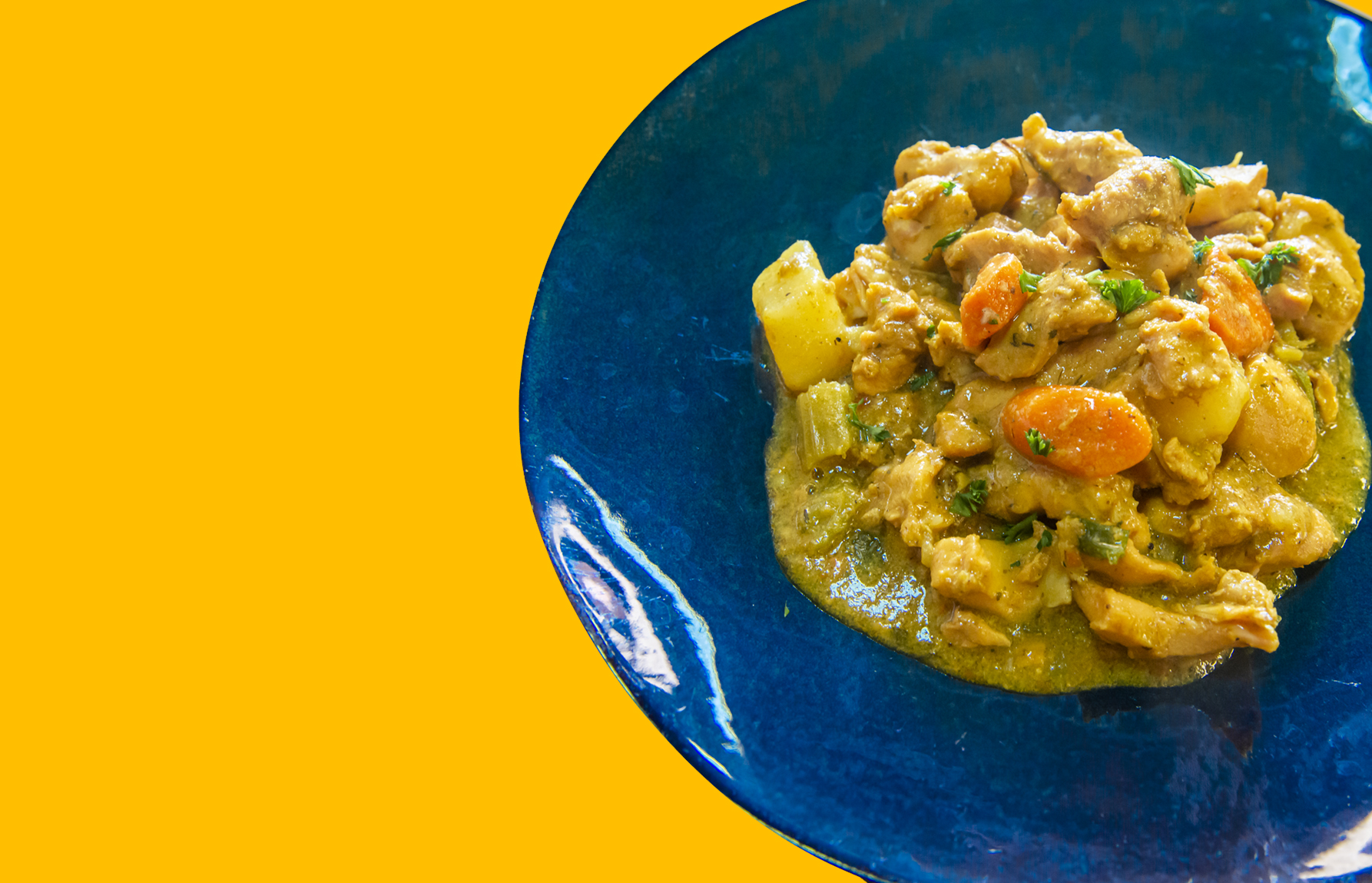
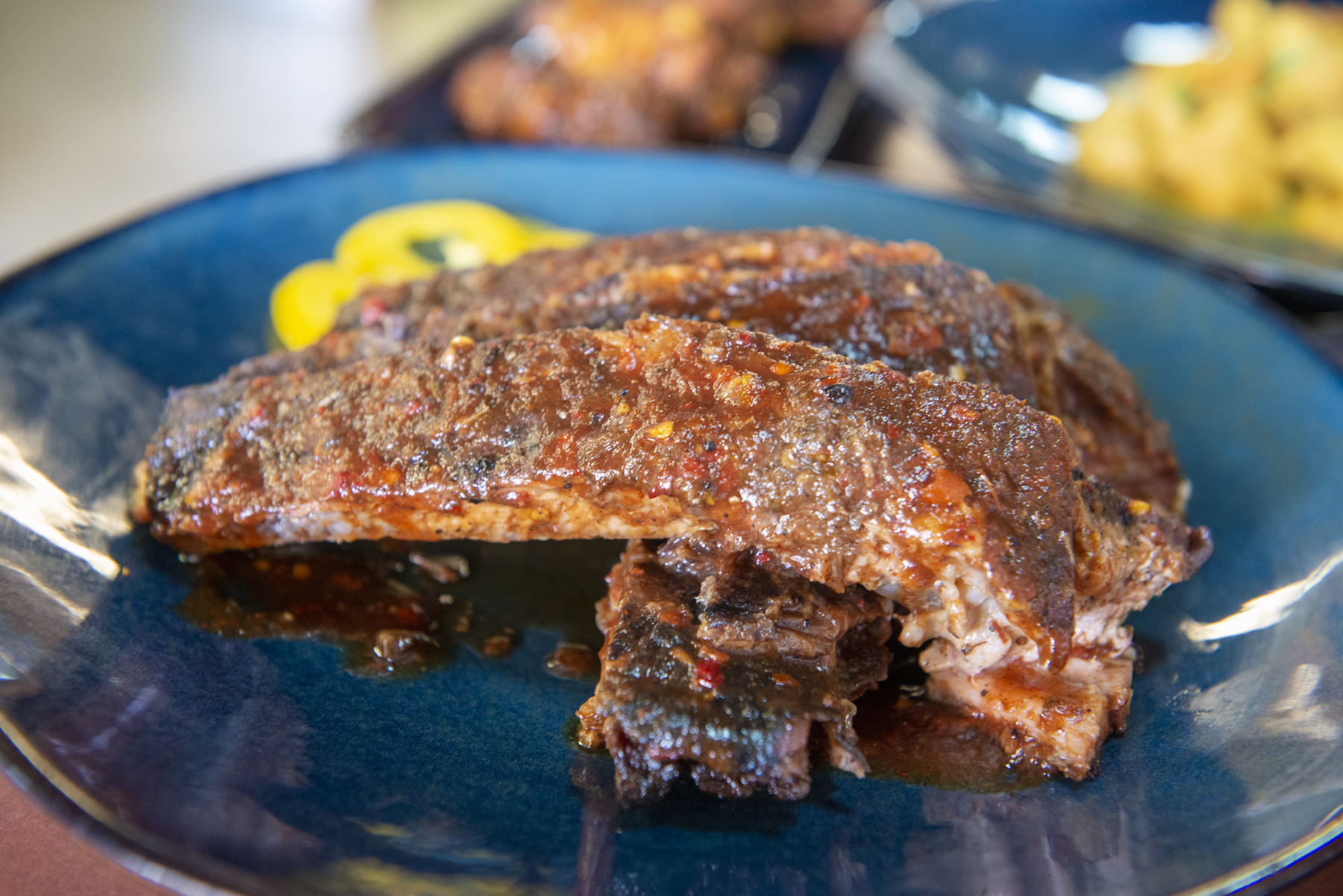
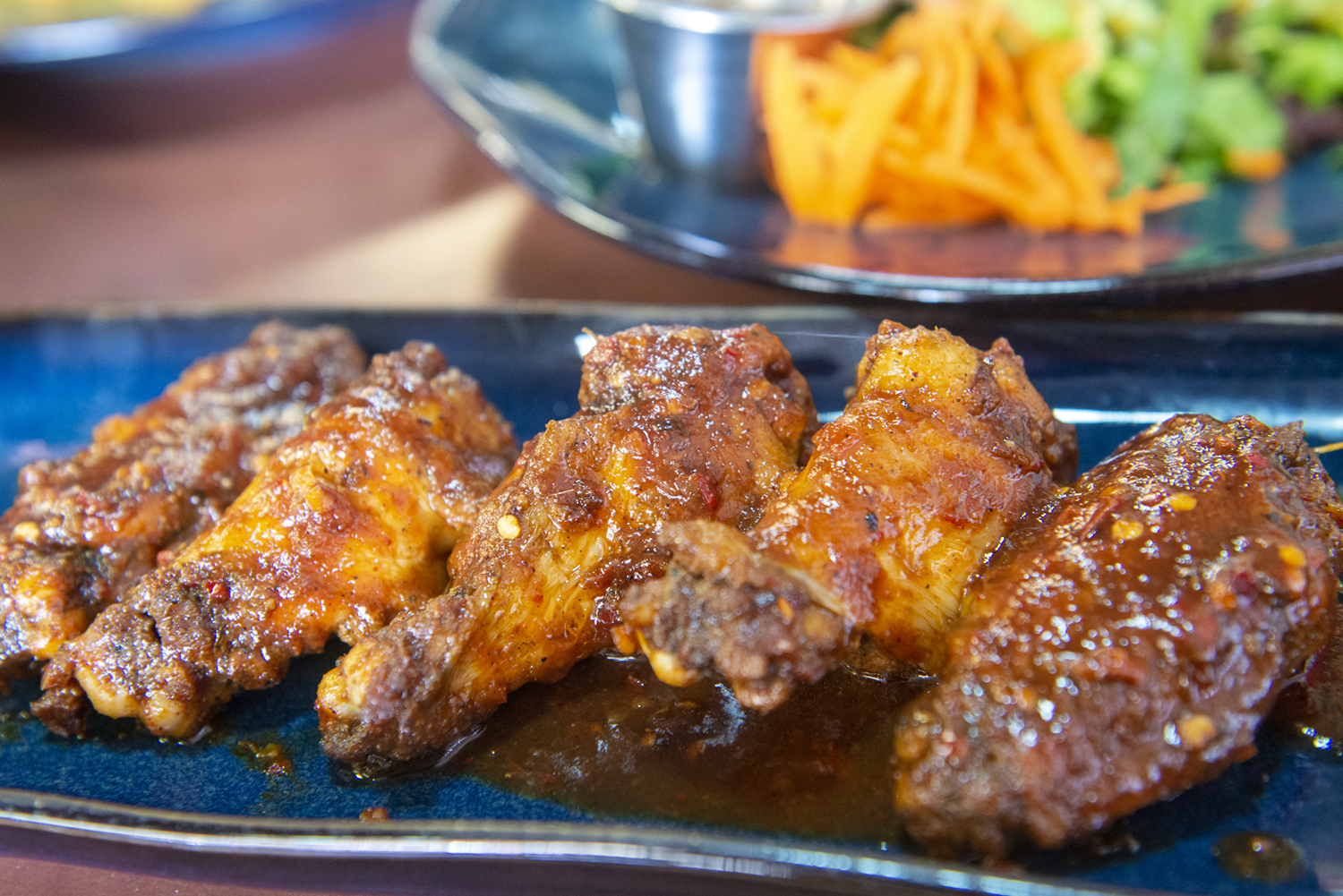
A century is a useful span of time for thinking about food. It is long enough to watch recipes travel from open wood fires to restaurant kitchens, from market baskets to export boxes, from family memory to national identity. It is also short enough that the thread remains visible. Grandparents still remember methods their own elders swore by. Street vendors still sell dishes shaped by plantation history, migration, scarcity, celebration, and pure appetite. That is what makes a Jamaican food centennial such a rich lens. It is not simply a look at what people eat in Jamaica. It is a study of how the island tells its story through flavor.
Jamaican cuisine often gets reduced to a few famous dishes, usually jerk chicken, patties, and rum cake. Those foods matter, of course, but they sit inside a much broader tradition. The heart of island cooking lies in the balance between heat and sweetness, smoke and brightness, thrift and generosity. It is cuisine built from African techniques, Indigenous ingredients, European colonial influence, Indian spices, Chinese migration, and the practical wisdom of cooks who knew how to make a little feed many.
What stands out most, especially if you have spent time eating across parishes rather than only in resorts, is how complete the food culture feels. Breakfast, lunch, roadside snacks, market produce, Sunday dinner, and holiday baking all connect. One plate explains another. The saltfish on your breakfast table tells you something about trade and preservation. The Scotch bonnet in your stew tells you something about climate and preference. The hard dough bread beside a saucy main tells you something about texture, value, and habit.
One hundred years on the plate
If we imagine the last hundred years of Jamaican cooking, the clearest change is not in the core flavors. It is in access, equipment, and pace. The seasonings that define the island, thyme, scallion, pimento, ginger, garlic, nutmeg, allspice, and hot pepper, have remained central. What changed was where people bought food, how often they cooked from scratch, and which dishes moved from strictly home cooking into public commerce.
In earlier decades, a great deal depended on local availability and household labor. Breadfruit, yam, green banana, coco, cassava, callaloo, and pumpkin did the heavy lifting. Meat was important but not always abundant. Salted and cured foods mattered because refrigeration was limited. Cooking was slower, often more communal, and deeply seasonal. Even now, older Jamaican cooks will tell you a certain dish tastes right only in the proper weather or from a crop harvested at the right stage. A mango out of season may look respectable in a supermarket, but it will not command the same respect at the table.
Over the twentieth century, urbanization and migration changed the rhythm of meals. Kingston, Montego Bay, Spanish Town, and other urban centers accelerated the trade in prepared food. Patties became everyday fuel for workers and students. Jerk, once tied more closely to specific traditions and locations, expanded into a national and international shorthand for Jamaican flavor. Chinese Jamaican restaurants shaped local expectations around takeout and adaptation. Bakeries, cookshops, and rum bars became institutions in their own right.
Yet even with modernization, the emotional architecture of the cuisine stayed remarkably stable. Jamaican food still prizes boldness. It still values a proper gravy, a serious seasoning base, and starches that satisfy. It still carries the mark of the cook. One household’s stew peas can taste entirely different from another’s, and both can be considered right.
The deep roots beneath the famous dishes
To understand Jamaican food properly, you have to look below the restaurant menu. The island’s cuisine developed from layers of survival and invention. Enslaved Africans brought knowledge of one-pot cooking, seasoning, ground provisions, greens, and the logic of making every ingredient count. The Indigenous Taíno left a foundational vocabulary through cassava, barbecue-style cooking methods, and local foodways tied to the land and sea. European colonizers imposed systems that altered agriculture and labor, while introducing livestock, wheat products, and salted cod. Later arrivals from India and China added techniques and seasonings that settled naturally into Jamaican kitchens.
The result is not a patchwork in the clumsy sense. It is more integrated than that. A Jamaican curry is not merely an Indian transplant. It is its own thing, adjusted to local ingredients and tastes, often deeper in color, richer in allspice notes, and paired with rice, roti, or hard food in ways that make sense on the island. Likewise, escovitch reflects older preservation and frying traditions, but the peppery vinegar dressing feels unmistakably Jamaican in execution.
That fusion explains why Jamaican cooking has such authority. It was never precious. It had to work. It had to feed field laborers, schoolchildren, church gatherings, weddings, wakes, market vendors, fishermen, and taxi drivers. Food with that kind of social burden becomes practical and expressive at once.
Jerk is not just a flavor
Few foods are as globally recognized as jerk, and few are as frequently simplified. Many people outside Jamaica treat jerk as a bottled sauce or a generic label for spicy grilled meat. On the island, the matter is more specific. Real jerk involves method as much as seasoning. The spice rub or marinade, usually anchored by pimento and Scotch bonnet, matters, but so does slow cooking over pimento wood, so does smoke, and so does patience.
The best jerk I have eaten was not in a polished dining room. It came wrapped in foil from a roadside stand, the smoke clinging to the chicken skin long after the first bite. There was heat, but that was not the main point. The stronger memory was the perfume of allspice and char, then the juicy flesh beneath the dark crust. A piece of festival on the side softened the fire. Raw onion and a little sauce sharpened everything again. It was a complete composition, not a novelty.
This is where the Jamaican food centennial idea becomes especially useful. Jerk has traveled further than almost any other island preparation, yet the closer you look, the more it speaks of place. Its older associations with Maroon communities, preservation, and pit cooking anchor it in the landscape. Modern jerk centers, some with long queues and loyal followings, show how tradition can scale without losing its accent.
Breakfast tells the truth
Ask a Jamaican what counts as a serious breakfast, and the answer will quickly tell you how the island thinks about food. Ackee and saltfish remains the national emblem, and rightly so. It is savory, rich, bright with tomato, onion, scallion, and thyme, and often served with fried dumpling, roasted breadfruit, boiled green banana, or yam. When ackee is cooked properly, it holds a soft, almost buttery texture. When it is overworked, it turns mushy and sad. That gap between excellent and mediocre is one reason good home cooks command such respect.
Breakfast on the island is not built around restraint. Cornmeal porridge, peanut porridge, mackerel rundown, liver, callaloo, boiled food, and saltfish fritters all belong to the morning landscape. Even a simple cup of bush tea carries tradition in it. These meals are filling because they were meant to sustain real work. The logic remains, whether the day leads to an office, a construction site, or a school desk.
There is also judgment in breakfast. Many Jamaicans will quietly assess a household by the quality of its morning meal. Not in a snobbish sense, but in terms of care, seasoning, and management. Can the cook boil yam to the correct tenderness without waterlogging it? Is the saltfish properly soaked and flaked? Does the callaloo still taste green and alive, or has it been cooked into surrender? These are small tests, but they matter.
The market as a living archive
If you want to understand Jamaican cuisine, go to a market before you go to a formal restaurant. Coronation Market in Kingston, or smaller parish markets scattered across the island, reveals the raw structure of the food better than any menu can. Mountains of scallion, heaps of Scotch bonnet, bunches of thyme, yellow yam, cho cho, sorrel, dasheen, otaheite apples, and avocadoes the size of small melons tell you what the kitchen values.
Markets also explain seasonality, which still shapes taste more strongly than many visitors realize. Mango season changes the mood of a place. So does sorrel time near Christmas. Breadfruit has its own rhythms. The same is true of fish landings. A coastal cookshop may have one set of offerings in the morning and another by late afternoon, depending on what came in fresh.
The produce itself influences technique. Green banana behaves differently from plantain. Yellow yam cooks differently from white potatoes. Breadfruit can be roasted, fried, or boiled, each method pulling out another side of its texture. Callaloo demands quick confidence, not timid overcooking. Jamaican food rewards cooks who know ingredients in their many stages, not just in a single idealized form.
The dishes that hold family memory
Every cuisine has dishes that taste larger than the recipe. In Jamaica, several meals carry that weight. Rice and peas, despite the name often being made with red kidney beans or gungo peas, is one of them. Sunday dinner in many homes does not feel complete without it. The rice should be scented with coconut milk, thyme, scallion, and Scotch bonnet, the grains distinct but tender. A pot that turns out soggy can spoil the mood of an otherwise excellent meal.
Stew peas jamaican food centennial is another dish that reaches beyond nourishment. Thickened by simmering beans, meat, and spinners, it occupies the line between soup and stew in a way that satisfies deeply. Mannish water, goat soup, red peas soup, and chicken foot soup all belong to that restorative tradition where flavor and remedy overlap. People speak of them not just as food, but as things that set you right.
Then there is escovitch fish, sharply dressed and unapologetic. Fresh fried fish covered with pickled vegetables and fiery peppers can taste almost aggressive when badly balanced. When done well, it wakes every part of the palate. Curried goat, oxtail, brown stew chicken, rundown, and fried sprat with bammy each tell their own regional and household stories.
A few dishes deserve special notice because they reveal the island’s gift for contrast:
- Ackee and saltfish pairs delicate fruit with preserved fish, turning tension into harmony.
- Jerk chicken balances smoke, spice, sweetness, and fat in one of the Caribbean’s great combinations.
- Escovitch fish uses acid and heat to cut through rich frying, making the dish feel lighter than it is.
- Rice and peas grounds more assertive mains with fragrance and starch.
- Rum cake closes the meal with density, spice, and the long memory of holiday tables.
Street food, bakery culture, and the genius of portability
Not every important Jamaican dish arrives on a full dinner plate. Some of the cuisine’s sharpest expressions are portable. The patty is the obvious example, but it deserves its reputation. A good patty shell should shatter lightly, not crumble into dry dust. The filling, whether beef, chicken, vegetable, or saltfish, should be moist and seasoned with enough force to stand up to the pastry. In Jamaica, a patty slipped into coco bread is less a novelty than a piece of practical engineering, a way to make lunch more substantial and a little less messy.
Festival, bulla, gizzada, toto, spice bun, and hard dough bread form part of a bakery tradition that often gets overlooked by outsiders. These foods are not side notes. They shape everyday eating. A slice of bun with cheese around Easter is not just a snack. It is ritual. Bulla with avocado or cheese can bridge the gap between meal and treat. A properly made gizzada, with its spiced coconut filling, shows how much pleasure Jamaican cooks can draw from humble pantry ingredients.
Street food also demonstrates the island’s instinct for hospitality. A vendor may move quickly, but there is often room for a brief exchange, a recommendation, a warning about the pepper, a small joke. Food is commerce, yes, but it is also performance and relationship.
Why seasoning is the real backbone
If there is one lesson that separates decent Jamaican cooking from memorable Jamaican cooking, it is seasoning. This is not merely about adding spice. It is about building flavor in layers and giving ingredients enough time to absorb those layers. Green seasoning, often made from scallion, thyme, garlic, onion, ginger, and pepper, works as a base. Browning, pimento, curry powder, ketchup, soy sauce, vinegar, and stock may each appear depending on the dish. The combinations vary, but the principle is constant: nothing should taste flat.
Experience teaches restraint as much as generosity. Too much Scotch bonnet can deaden rather than enliven. Too much browning can make a stew taste bitter. Too much coconut milk can blur the grain of rice and peas. Strong cooks know when to push and when to pull back. They understand that seasoning is not a single act at the start of cooking. It is correction all the way through, a series of small judgments about salt, heat, acidity, and aroma.
This is one reason recipes alone rarely capture the cuisine. Measurements help, but touch matters. So does listening. You can hear when a pot is reducing too hard. You can smell when garlic is about to go too far. You can see when ackee is one stir away from breaking.
The diaspora changed the table, but not the soul
Any serious discussion of a Jamaican food centennial has to include migration. Large Jamaican communities in the United Kingdom, Canada, and the United States carried the cuisine abroad and changed it in the process. Access to ingredients shifted. Some cooks substituted when they had to. Others imported. New customer bases pushed certain dishes forward. Jerk became a brand. Patties entered school cafeterias and convenience stores. Rum cake turned into a seasonal export. Vegan and health-conscious adaptations appeared, some thoughtful, some less convincing.
Diaspora cooking can produce tension. Purists object, often with reason, when dishes are sweetened, dulled, or renamed beyond recognition. At the same time, migration has preserved traditions that might otherwise have narrowed under economic pressure at home. Many second-generation Jamaicans learned recipes in kitchens where making traditional food was a deliberate act of memory. A Saturday pot of soup in Toronto or London can carry as much emotional force as one in Clarendon or St. Ann.
There is also a fascinating feedback loop. Trends that gain visibility abroad sometimes return to Jamaica in updated form. Restaurant plating changes. Brunch culture appears. Craft rum programs grow. Yet the strongest places usually succeed not by chasing fashion, but by respecting the old logic of flavor.
What visitors often miss
Visitors commonly chase the headline dishes and stop there. That is understandable, but limiting. Some of the best eating on the island happens in modest settings where the jamaican food centennial menu is short and the standards are high. A beachside fry shop serving perfectly fresh fish can tell you more about Jamaica than a sprawling buffet. So can a small bakery turning out warm coco bread at dawn.
Timing matters too. Arrive late at a jerk stand and you may get dried-out scraps. Order ackee out of season and you may find a version that lacks the ease and sweetness of peak fruit. Seek out soup on the right day, and you may understand why Saturday is sacred in so many households. Jamaican food rewards people who pay attention to context.
It also asks a little courage from newcomers. Not every dish is immediately familiar. Goat head soup, chicken foot soup, or certain strongly seasoned organ meats can challenge those raised on blander fare. Still, the best approach is curiosity rather than caution. Jamaican cuisine has spent a century, really several centuries, proving that flavor often lives where polite diners hesitate to look.
A practical way to taste the island well
For anyone hoping to move beyond the obvious, a simple approach works better than a formal checklist. Eat breakfast from a place locals trust. Try one roadside meal and one home-style cookshop meal. Order at least one fish dish near the coast. Visit a market. Taste a baked good with your afternoon tea or soft drink. Leave room for fruit. Ask what is in season. Ask who makes the best soup on a Saturday. Those questions often lead to better meals than any glossy guide.
A balanced way to explore the cuisine might look like this:
- Start with ackee and saltfish, plus one starch such as breadfruit or fried dumpling.
- Have jerk from a busy stand where smoke and turnover are both obvious.
- Try a Sunday-style plate with rice and peas, a braised meat, and steamed vegetables or callaloo.
- Eat fresh fish in escovitch or brown stew form near the water.
- Finish with a bakery item or rum cake, not because dessert is mandatory, but because baking is part of the story.
The centennial idea, and what it really celebrates
The phrase jamaican food centennial can sound ceremonial, but the real celebration is more intimate than grand. It honors cooks who learned by doing, vendors who built reputations one pan at a time, farmers who kept key ingredients in circulation, and families who repeated dishes until repetition became culture. It recognizes that the island’s cuisine did not become significant because the world noticed it. The world noticed because the food was already significant.
After a hundred years of modern change, Jamaican cuisine remains one of the clearest examples of how food can be both rooted and adaptive. It carries history without becoming trapped by it. It welcomes innovation but punishes carelessness. It can feed a crowd cheaply, impress a demanding diner, comfort the sick, anchor a holiday, and travel across oceans without surrendering its identity.
That staying power comes from the table itself. Jamaican food is not memorable only because it is spicy or colorful. It is memorable because it is confident. It knows where it comes from. It knows what it wants to taste like. And when it is cooked with skill, whether over pimento wood, in a zinc-roofed cookshop, or in a family kitchen on a Sunday afternoon, it offers something every great cuisine offers in the end: a sense that flavor can hold a people’s history in plain sight.
Reggae Pot Jamaican Grill
Address: 7562 S University Blvd C, Centennial, CO 80122
Phone number: +13039975623
FAQ About Jamaican Food Centennial
What is typical Jamaican food?
Typical Jamaican food features bold, vibrant flavors created by blending African, Taino, European, and Asian influences.
What is a famous Jamaican dish?
The most famous Jamaican dish is Ackee and Saltfish, which is the national dish of Jamaica.
What are the top 10 foods to eat in Jamaica?
AI Overview The top 10 traditional foods to eat in Jamaica are bold, flavorful dishes that mix local ingredients with global influences.